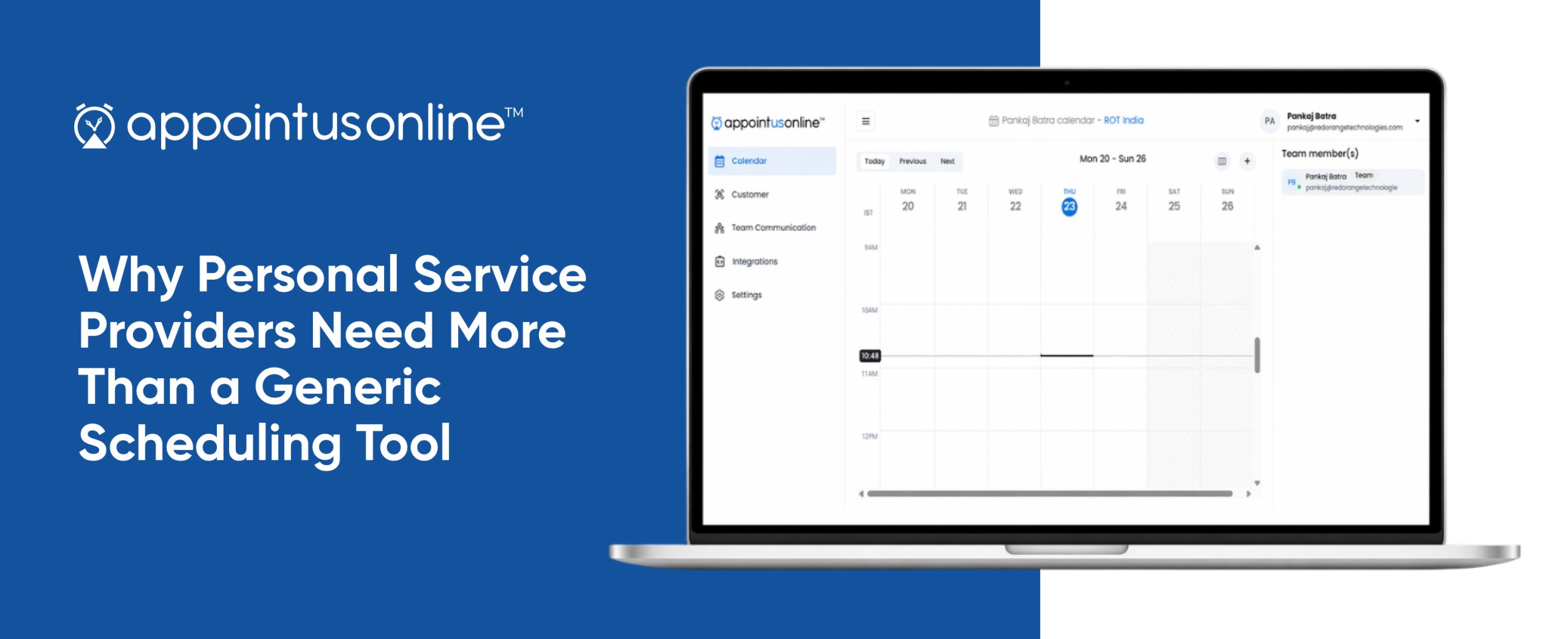
Most scheduling tools were built for meetings. They help teams block out time in a shared calendar, coordinate across time zones, and avoid double-bookings. That is useful in a corporate setting, but if you run a coaching practice, a salon, a therapy clinic, or a personal training business, a meeting scheduler is probably not going to cut it.
The challenges are different. You are not just coordinating availability. You are selling a service, collecting intake information, accepting payment, managing cancellations, and building a relationship with each client over time. A generic calendar tool handles none of that.

What makes personal services different
When someone books a meeting through a standard scheduling link, the process is fairly simple: they pick a time, confirm their email, and that is it. The business side gets a calendar event.
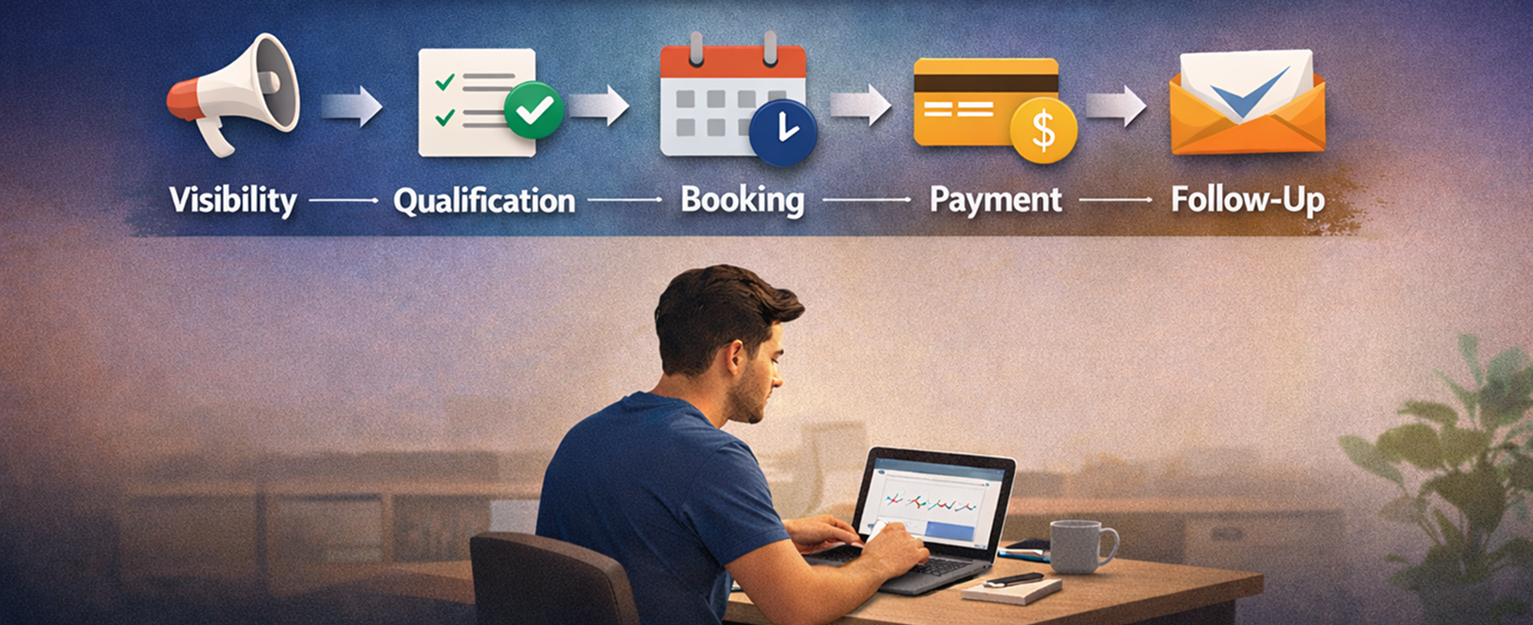
A personal service booking works differently. Before the appointment, the client might need to fill out a health form or answer a few questions about what they are looking for. Payment often happens upfront, or at least a deposit is required. The provider needs to send a reminder that includes specific preparation instructions. After the session, there might be a follow-up or a prompt to rebook.
None of this is supported by a basic scheduling tool. When service providers try to use one anyway, they end up stitching together three or four different apps just to cover the basics.
The gap between a calendar tool and a personal service booking platform
Intake forms
A personal service booking platform lets you attach intake forms directly to the booking flow. A new client booking a consultation, for example, can fill in their goals, health history, or contact preferences before the session even starts. That information lives in their client record and is available the next time they book.
Service categories and packages
Generic tools show availability. A personal service booking platform lets you build out your full-service menu, with categories, descriptions, duration, and pricing. You can also create packages so clients can buy five sessions at a time, which is common in fitness, coaching, and therapy.
Payment at the point of booking
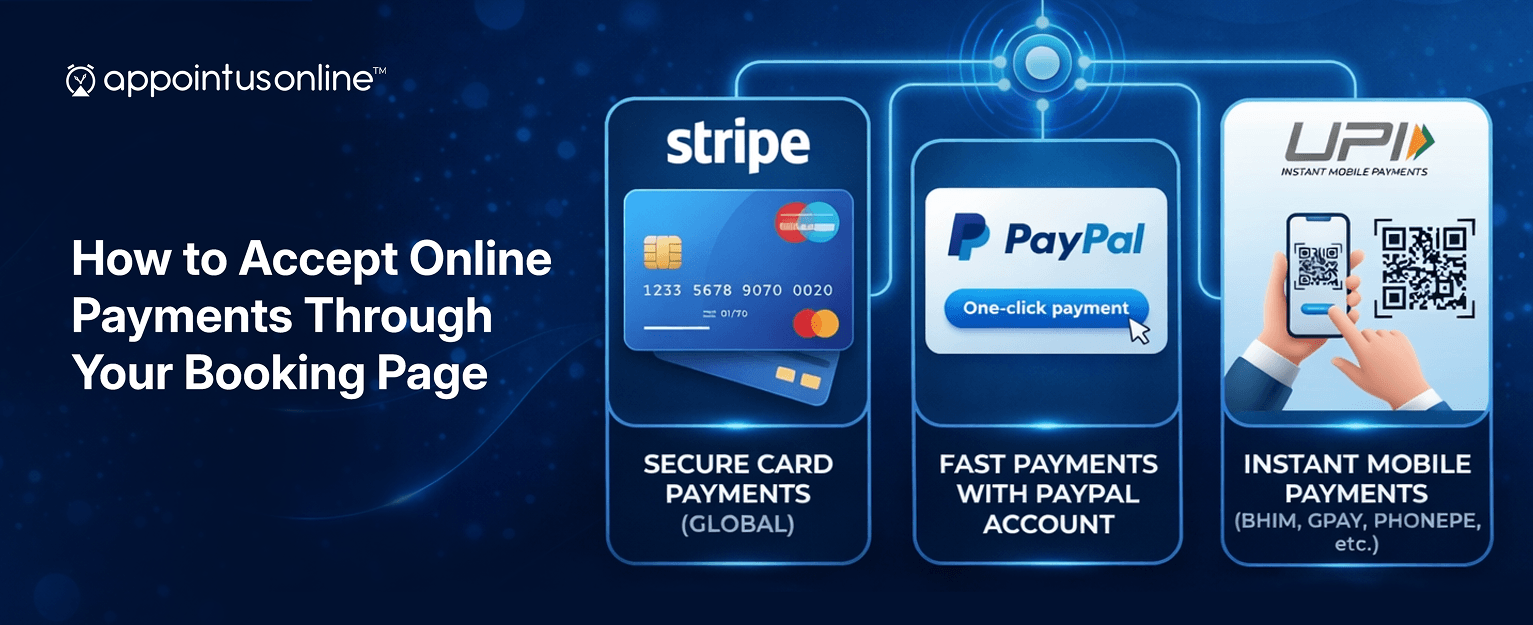
Collecting payment after the fact is awkward and easy for clients to delay. A personal service booking platform handles payment at the time of booking, with support for Stripe, PayPal, and digital payment options. This protects your time and reduces no-shows significantly.
A branded booking experience
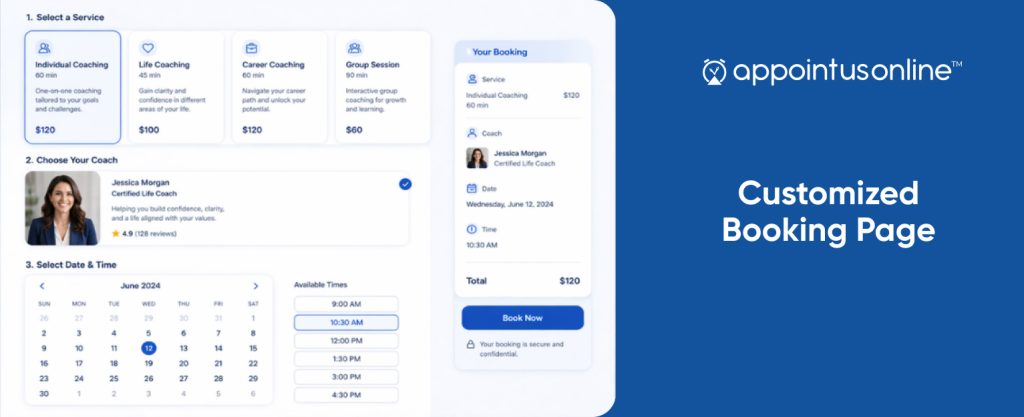
A meeting scheduler gives every provider the same generic link. A personal service booking platform lets you build a booking page that reflects your brand, with your colours, your photo, your service descriptions, and your tone of voice.
How Appointusonline is built for this
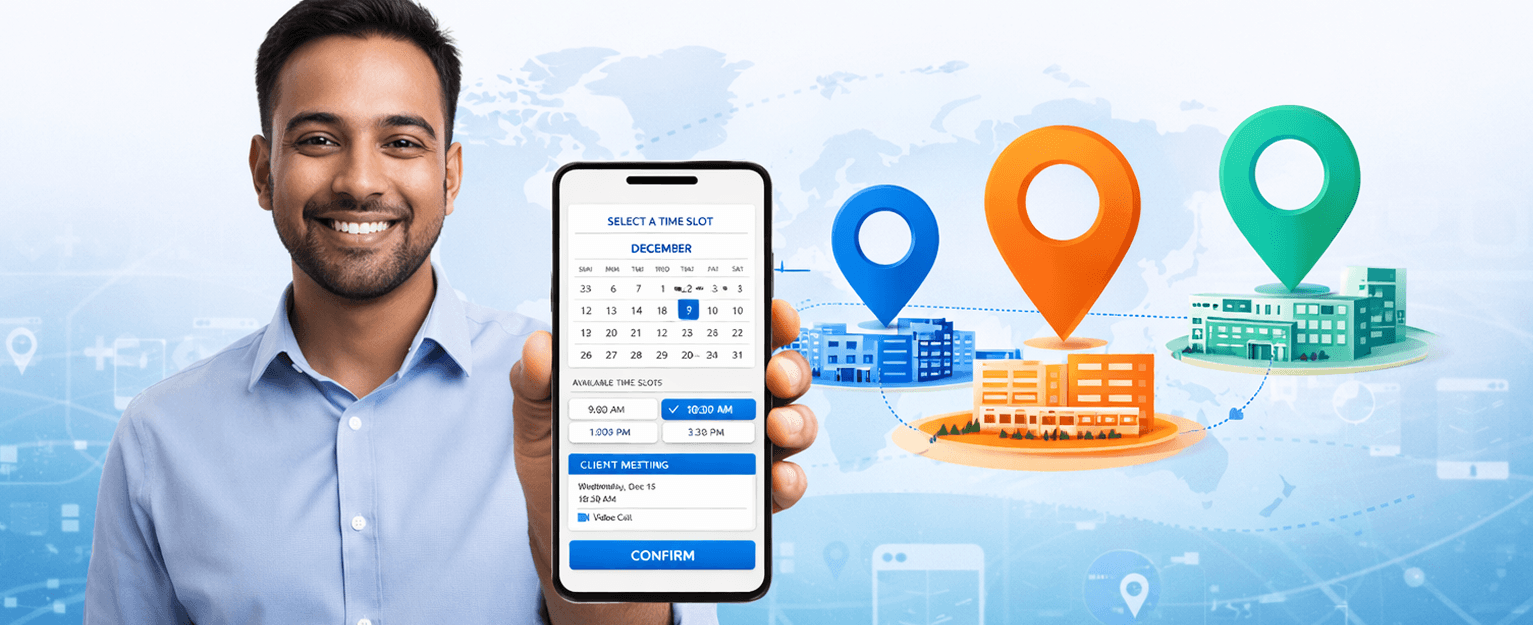
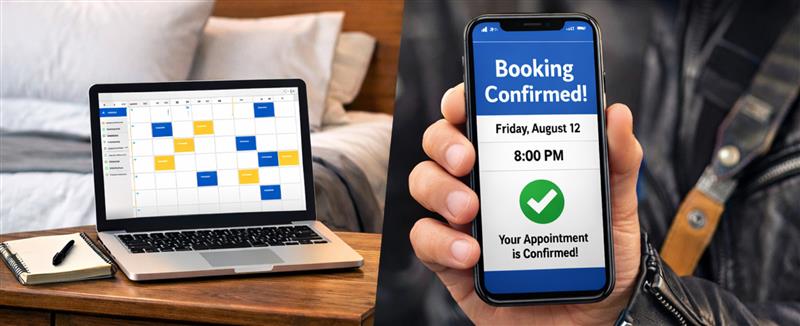
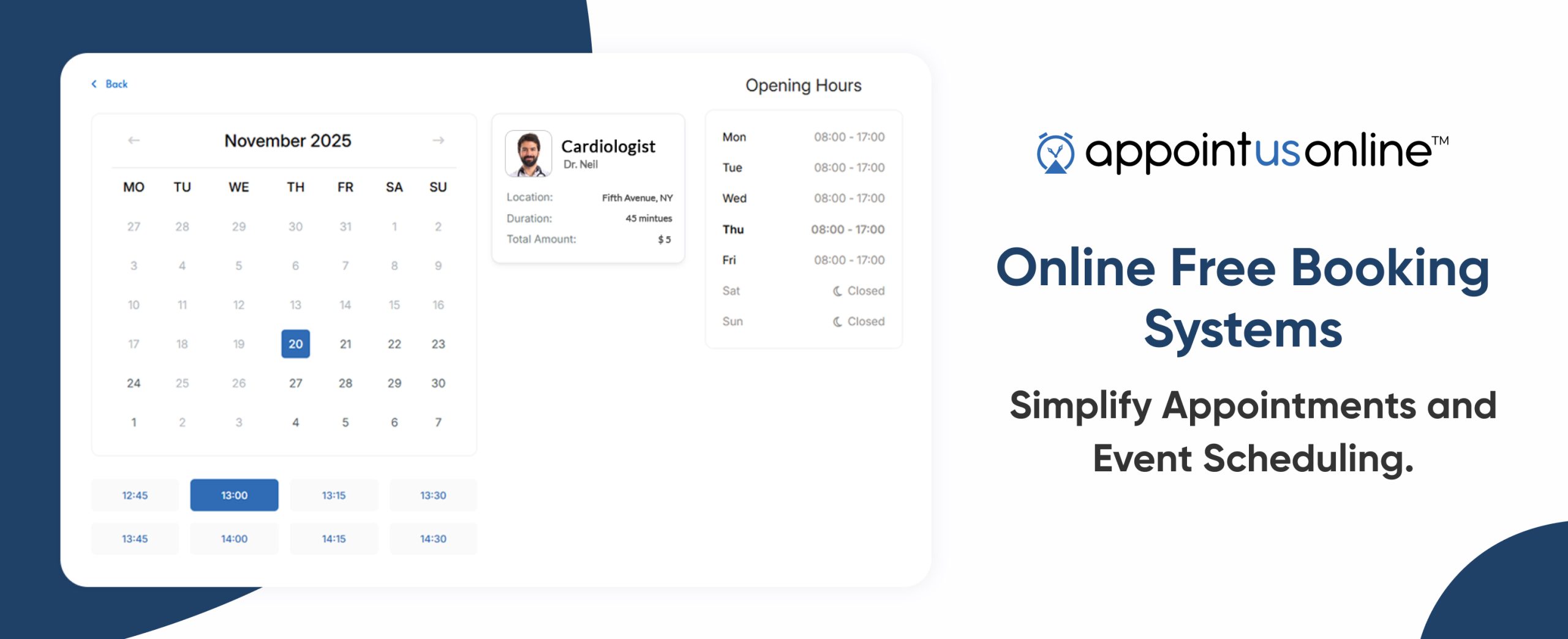
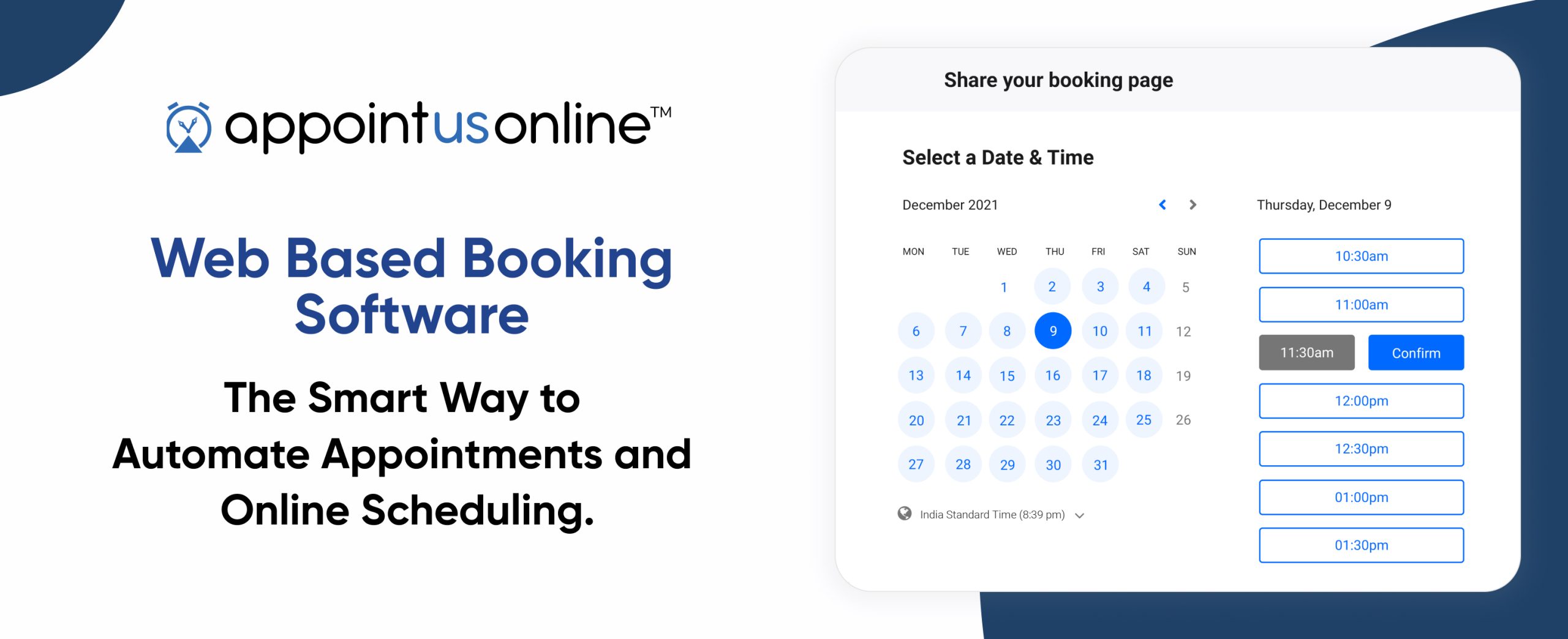
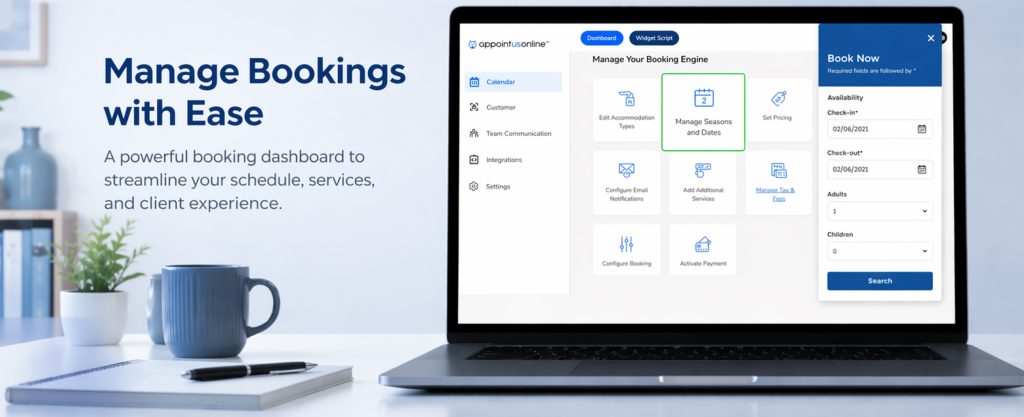
Appointusonline was designed with personal service businesses in mind. It includes intake forms, service categories, package and bundle creation, upfront payment options, and a fully customizable booking page. You can also set specific availability per service, manage multiple staff members, and automate SMS and email reminders.
The platform works equally well for a solo practitioner and a growing clinic. You can start on the free plan to get familiar with the basics and move to a paid plan as you need features like multiple locations, expanded integrations, and higher booking volumes.
The bottom line
If you are a personal service provider and your current booking system feels like a workaround, it probably is. The right personal service booking platform does not just fill slots in your calendar. It handles the full client journey, from that first booking to the fifth session and beyond. Appointusonline offers a free trial so you can see for yourself whether it fits your business.